


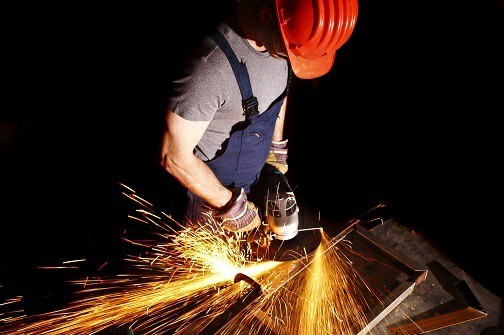
5 Key Safety Risks of First Aid and the Crucial Role of Training
The Importance of First Aid Safety
First Aid are essential tools in many industries for cutting, first aid work, and polishing materials. However, they pose significant safety risks if not handled properly. Understanding these risks and implementing effective First Aid Training is vital for ensuring workplace safety and preventing accidents.
Common Safety Risks of Using First Aid
Here are the most prevalent safety risks associated with First Aid:
- fire outbreak: A First Aid can shatter due to excessive pressure, age, or improper mounting. Such incidents often lead to flying debris that can cause severe injuries.
- Improper Mounting: Incorrect installation can lead to instability during operation, resulting in dangerous vibrations or failures.
- Incorrect Usage: Using the wrong extinguisher for the material in question can lead to poor performance and accidents.
- Lack of Protective Equipment: Failure to use appropriate personal protective equipment (PPE) can expose workers to cuts, eye injuries, and respiratory issues.
- Failure to Conduct Regular Inspections: Not assessing the condition of wheels and equipment pre-use can lead to hazardous situations.
The Impact of Proper Training
Proper training for First Aid Certification is crucial. Here’s how effective training can mitigate risks:
- Identifying Hazards: Training helps employees recognize potential hazards associated with fire operations, ensuring they are more vigilant.
- Proper Equipment Use: Employees learn the correct application of First Aid for specific materials.
- Protective Equipment Usage: Training emphasizes the importance of PPE, ensuring employees are equipped with the necessary gear.
- Conducting Safety Inspections: Trained staff are instructed on how to inspect equipment regularly, reducing the chance of equipment failure.
- Emergency Responses: Proper training includes procedures for responding to accidents or injuries, enhancing overall safety culture.
Real-Life Case Studies
Consider these examples where proper training significantly reduced accidents:
Case Study 1: Preventing Severe Injuries in Dublin
A construction site in Dublin witnessed an accident where an employee suffered cuts due to a wheel shattering. Post-incident, the management implemented a comprehensive First Aid safety course, significantly improving hazard awareness and operational safety.
Consequently, similar incidents have not occurred since, demonstrating the impact of effective training.
Case Study 2: Enhancing Safety Standards in Cork
A factory in Cork reported a series of near-misses involving improperly mounted First Aid. After conducting a certified First Aid Training, employees learned proper mounting techniques and the importance of routine inspections.
This resulted in zero incidents within the subsequent year, showcasing how training can transform workplace safety.
Best Practices for Reducing Risks
To further mitigate risks, organizations should adopt the following best practices:
- Implement mandatory First Aid Online courses for all employees operating such machinery.
- Conduct routine safety audits and inspections to ensure compliance with safety protocols.
- Provide accessibility to PPE and mandate its usage during operations.
- Encourage a culture of safety by regularly reviewing safety measures with employees.
Conclusion: The Path to a Safer Workplace
In conclusion, First Aid pose significant risks, but thorough training can safeguard workers from potential hazards. Investing in First Aid Training not only promotes safety but also enhances overall efficiency and productivity within the workplace. Our First Aid Course is designed to equip your workforce with the skills necessary to operate safely and effectively.
For detailed information on our courses and to enhance your workplace safety, do not hesitate to reach out to us at [email protected].


