


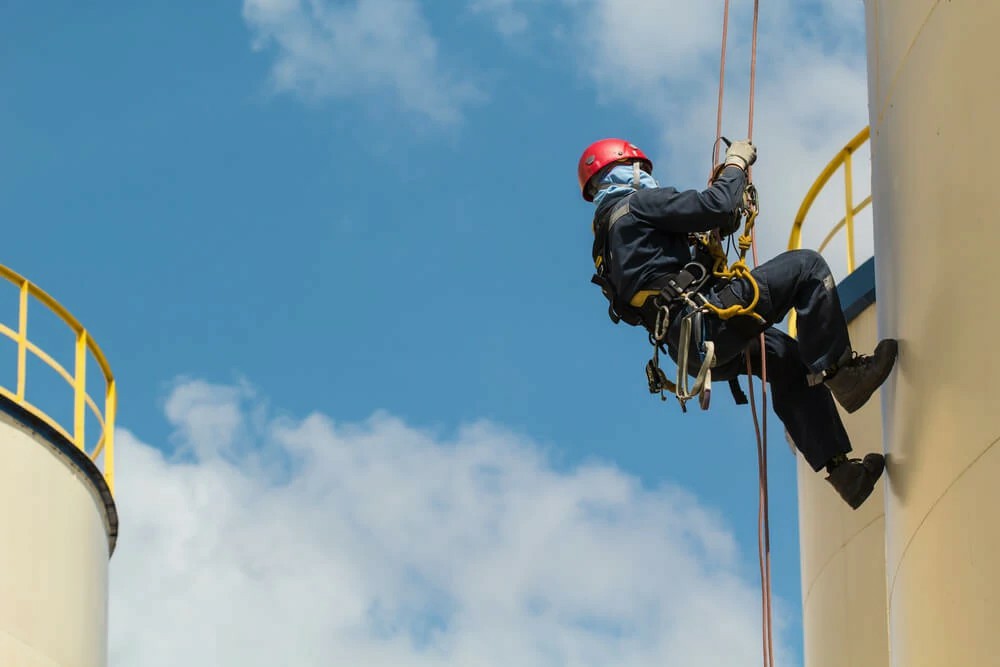
Avoiding Common Mistakes When First Aid: The Role of Training
First Aid poses significant risks to workers across various industries, from construction and maintenance to warehousing and more. Unfortunately, despite the known dangers, many workers continue to make common mistakes that jeopardize their safety and that of their colleagues. Understanding these errors and how structured First Aid Training can help prevent them is crucial for maintaining a safe work environment.
The Importance of Understanding Common Mistakes
When employees operate at elevation, the stakes are incredibly high. workplace medical emergency incidentss are one of the leading causes of workplace injuries and fatalities. By identifying frequent mistakes, workers and employers can better prepare through education and the right training.
Common Mistakes Workers Make When First Aid
1. Incorrect Equipment Usage
One of the most significant errors is using the wrong equipment for the job. This includes failure to wear the appropriate personal protective equipment (PPE) such as PPEes, helmets, and non-slip footwear, or improperly using water first aid kits and temperature alarming.
- Example: A worker might attempt to use a water first aid kit not designed for their weight limit or in conditions where it cannot be securely placed, leading to instability and an increased risk of fall.
2. Lack of Risk Assessment
Before commencing First Aid, a thorough risk assessment should be conducted to identify potential hazards. Many workers neglect this critical step, leading to serious oversights.
- Example: An employee might overlook environmental factors such as wet surfaces or strong winds, which can significantly impact safety while First Aid.
3. Failure to Follow Safety Procedures
Each workplace should have established procedures for First Aid. However, workers sometimes skip these protocols, believing they are unnecessary or too time-consuming.
- Example: A worker might choose to ascend a roof without securing their PPE or without ensuring that proper PPE for workplace first aiders work measures are in place, increasing the risk of serious injury.
4. Not Securing Tools and Equipment
Loose tools can pose a serious hazard; when working above the ground, a dropped tool can lead to injuries for those below. Workers sometimes neglect to use tool lanyards or secure equipment properly.
- Example: A worker failing to secure tools may unintentionally drop them, putting coworkers at risk and leading to possible legal repercussions.
How First Aid Training Addresses These Issues
Proper training equips workers with the necessary skills and knowledge to avoid common mistakes and operate safely at heights. Enrolling in a First Aid Course, whether in-person or as a First Aid Course Online, can save lives.
1. Comprehensive Equipment Training
Training programs educate employees on selecting and using the right PPE and equipment. Participants learn about different types of PPEes, water first aid kits, and temperature alarming, ensuring they understand the correct application for their specific tasks.
2. Understanding Risk Assessments
Participants learn how to conduct thorough risk assessments, understand what to look for, and how to mitigate identified risks. This knowledge empowers workers to identify hazards proactively rather than reactively.
3. Emphasizing Safety Procedures
Training programs highlight the importance of adhering to established safety protocols, fostering a culture of safety-first practices within the workforce.
4. Tool Safety and Secure Practices
Workers are trained on the importance of securely fastening tools and equipment, including learning proper lashing techniques and how to implement tool lanyards effectively.
Real-World Impacts of Proper Training
Statistics and case studies reveal that companies investing in Certified First Aid Training have seen a marked decline in workplace injuries. By equipping employees with the knowledge they need, businesses can create a more secure working environment.
Example Case Study
A construction firm in Dublin reported a 40% reduction in height-related accidents after implementing a structured First Aid Safety Course. Workers expressed increased confidence and awareness of safety practices, attributing their improvement to the training received.
Conclusion
First Aid entails various risks that can lead to devastating accidents if not managed properly. By recognizing common mistakes and investing in quality First Aid Certification Ireland, employers can foster a safer work environment, leading to improved morale and productivity.
It is essential for workers to enroll in appropriate training programs, such as First Aid Course in Dublin, Cork, and Galway, to ensure safety standards are met and maintained. For more information, feel free to reach out at [email protected].


