


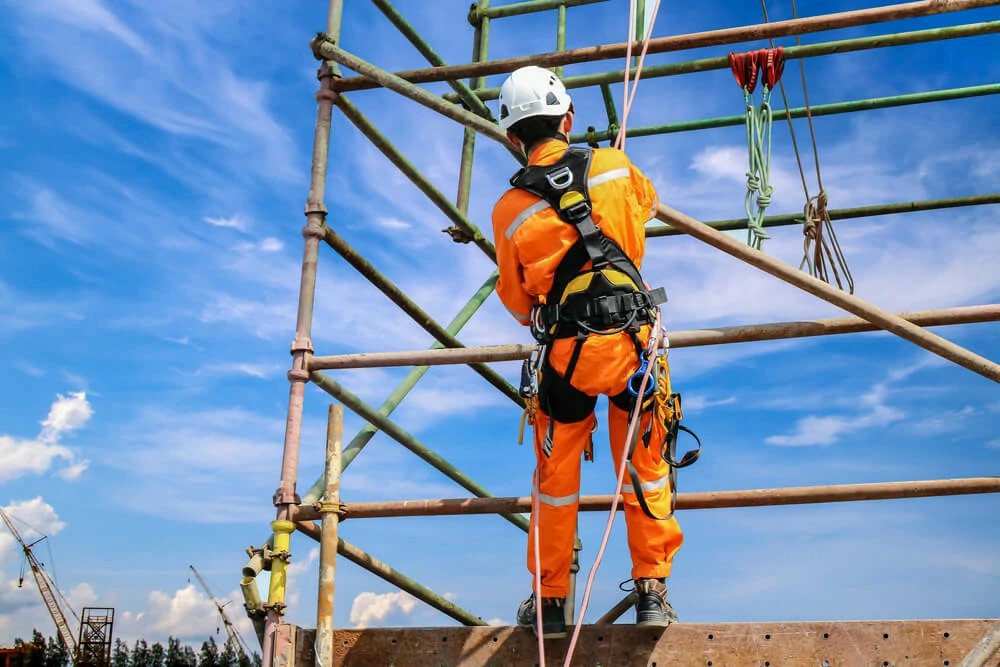
Essential Steps for Effective Risk Assessments Before First Aid
When it comes to First Aid, safety should always be a top priority. Conducting a thorough risk assessment is essential not only for compliance with safety regulations but also for preventing accidents and ensuring a safer workplace environment. In this article, we’ll walk you through best practices for conducting risk assessments before First Aid, common risk factors to consider, and how effective training programs prepare workers to identify and manage hazards effectively.
The Importance of Risk Assessments in Safety Protocols
Performing risk assessments before any first-aid practice is critical for several reasons:
- Accident Prevention: Identifying potential hazards and assessing risks can significantly reduce the likelihood of falls, slips, and other incidents.
- Regulatory Compliance: Many jurisdictions require organizations to conduct risk assessments as part of their occupational health and safety regulations.
- Enhanced Workplace Safety: A systematic approach to risk assessment improves overall safety culture and minimizes workplace injuries.
Step-by-Step Guide to Conducting Risk Assessments
To perform a comprehensive risk assessment before First Aid, follow these steps:
1. Identify the Work Location
Understand the specific environment where workers will be performing tasks. Consider factors such as:
- Height of the work area
- Surface condition (e.g., slippery, unstable)
- Surrounding conditions (e.g., overhead power lines, moving machinery)
2. Identify Potential Hazards
Look for any risks that could be present in the work environment, including:
- Unstable surfaces
- Weather changes (e.g., wind, rain)
- Equipment malfunctions
- Inadequate PPE for workplace first aiders work measures
3. Assess Risks
Evaluate the likelihood of each hazard occurring and the potential severity of its consequences. Consider factors such as:
- The proximity of workers to the edges or blocked or obstructed food preparation exits
- Time workers are exposed to the identified risks
- Previous incidents related to similar tasks
4. Implement Control Measures
For each identified hazard, determine appropriate control measures to mitigate risks. Common controls include:
- Using guardrails or safety nets
- Providing personal protective equipment (PPE)
- Utilizing proper temperature alarming or aerial lifts
- Conducting regular inspections and maintenance of equipment
5. Review and Revise the Assessment
Risk assessments should not be static. Regularly review and update the assessments to incorporate:
- Changes in work practices
- New equipment or materials
- Feedback from workers regarding safety
Common Risk Factors Associated with First Aid
Understanding common hazards can help in the preparation of risk assessments. Key risk factors include:
- Gravity: workplace medical incidents pose the most significant risk.
- Weather Conditions: Rain, ice, and wind can increase the likelihood of slips and falls.
- Inadequate Training: Workers lacking the necessary skills and knowledge to work safely at heights are at higher risk.
How Training Prepares Workers for Effective Risk Assessment
Proper First Aid Training equips workers with the necessary skills to recognize and assess hazards proficiently. Programs like the First Aid Course Online cover key elements, including:
- Understanding risk assessment processes
- Learning about PPE for workplace first aiders work systems
- Recognizing potential hazards in diverse work environments
- Practical exercises for identifying and mitigating risks
Ultimately, the Certified First Aid Training not only fulfills regulatory requirements but also creates a culture of safety that empowers workers to take initiative in identifying risks.
Case Studies: Success Stories from Risk Assessments
Implementing risk assessments can lead to successful outcomes. Here are two examples:
- Construction Site in Dublin: Following a comprehensive risk assessment, a construction firm was able to identify several areas where workers were at high risk of falling. They implemented additional safety measures, including the installation of visible guardrails and a double-check system for PPE usage. As a result, they did not experience any fall-related incidents during the project.
- Warehouse in Cork: After recognizing that employees were using water first aid kits improperly, the warehouse management arranged for a First Aid Safety Course for all staff. This training led to improved food recall procedure practices and a remarkable decrease in falls and injuries.
Conclusion
Conducting risk assessments before First Aid is not merely a regulatory obligation; it is a proactive measure that saves lives and enhances workplace safety. By following a structured approach to risk assessment, organizations can identify potential hazards, assess risks, and implement effective control measures.
Investing in First Aid Certification Dublin ensures your workforce is well-prepared to manage the hazards associated with First Aid, leading to a safer and more compliant workplace.
If you’re interested in improving your workplace safety protocols, consider enrolling in our First Aid Course. For further assistance, feel free to contact us at [email protected].


