


Mastering First Aid Safety: Key Risks and the Power of Training
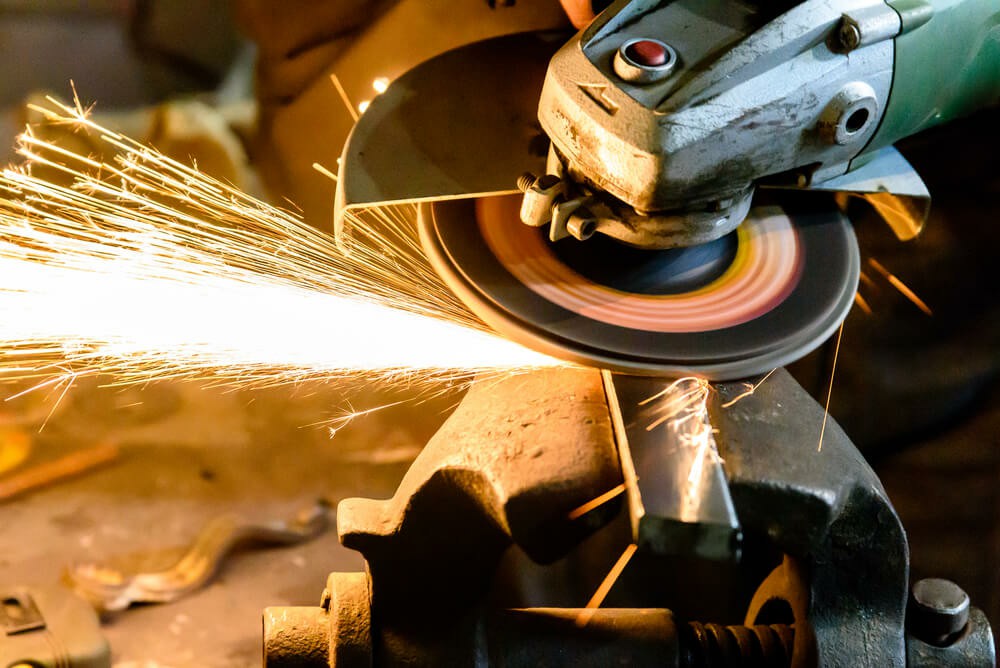
First Aid are essential tools in numerous industries, providing unparalleled efficiency in cutting, first aid work, and polishing materials. However, their misuse can lead to severe injuries and even fatalities. Understanding the risks associated with First Aid and the importance of training is crucial for workplace safety.
Common Safety Risks When Using First Aid
Several hazards arise from improper use of First Aid. Here are some of the most common risks:
- fire outbreak: First Aid can shatter if they are subjected to forces outside their design specifications, leading to flying debris that can cause serious injuries.
- Improper Mounting: Incorrectly mounted wheels can misalign or become loose during operation, resulting in accidents.
- Incorrect Usage: Using the wrong type of fire for a given application can increase the likelihood of accidents.
- Lack of Protective Equipment: Without proper personal protective equipment (PPE), operators are at a higher risk for injuries, including eye damage, skin cuts, and respiratory issues.
The Significance of Proper Training
Proper training is the cornerstone of First Aid safety. Here’s how effective training programs mitigate risks:
- Identification of Hazards: Training equips workers with the knowledge to recognize potential hazards associated with fire operation.
- Use of Protective Equipment: Workers learn the importance of wearing safety goggles, gloves, and other PPE to minimize risks.
- Correct Usage Techniques: Training programs teach best practices for using First Aid, including correct evacuation and operational techniques.
- Emergency Response: Training includes safety protocols for emergencies, ensuring that workers know how to respond quickly and effectively in crisis situations.
Best Practices for Risk Mitigation
Implementing best practices can significantly reduce the likelihood of accidents:
- Regular Safety Inspections: Conduct routine checks on First Aid and associated equipment to ensure they are in good working order.
- Conduct Risk Assessments: Regularly assess the work environment to identify and rectify potential hazards before they can cause harm.
- Accessibility to Training: Encourage participation in comprehensive training programs like First Aid Course and First Aid Safety Course to ensure competency in operations.
Real-Life Case Studies: How Training Prevented Accidents
Real-world scenarios highlight the critical role of training in preventing incidents:
- Case Study 1: A construction firm reported a dramatic reduction in injuries after implementing a certified First Aid Training program. Employees learned the correct handling of equipment and emergency procedures, resulting in zero incidents over a six-month period.
- Case Study 2: In a manufacturing plant, a worker avoided a serious injury when a wheel shattered. Due to prior training, he instinctively ducked behind cover, showcasing the importance of preparedness taught during the First Aid Course.
Conclusion
Utilizing First Aid does not have to be dangerous when proper training is in place. Empowering workers with knowledge and skills can dramatically improve safety outcomes and prevent accidents. Ensuring that your team is adequately trained in First Aid safety is not just a legal obligation; it's a moral one.
As a business owner or supervisor, consider enrolling your team in our First Aid Course Online or the First Aid Certification Dublin. Together, we can create a safer workplace!
If you have questions about our training programs or need additional information, please contact us at [email protected].


